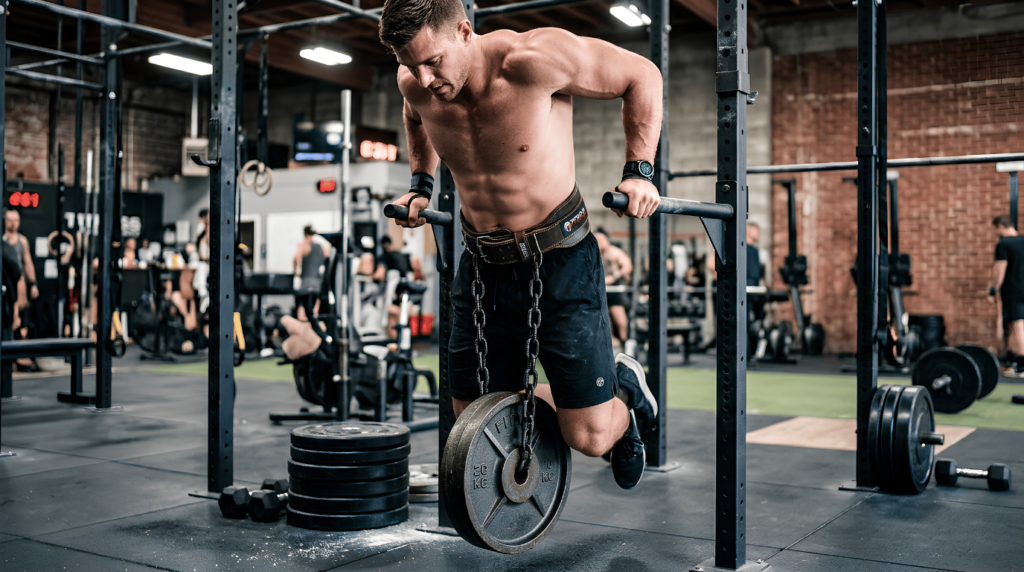
Once bodyweight dips and pull ups feel easy, hanging a plate from your waist is the cheapest way to keep progressing. A dip belt with chain is made for exactly that job, and the design is simple enough that the gap between a good one and a bad one comes down to a few details. Two roundups published this year, from Garage Gym Lab and Fitness Volt, name different winners (Rogue and DMoose), which suggests more than one belt is good enough. This guide covers what to check so you can decide for yourself.
Start with the chain and the carabiners
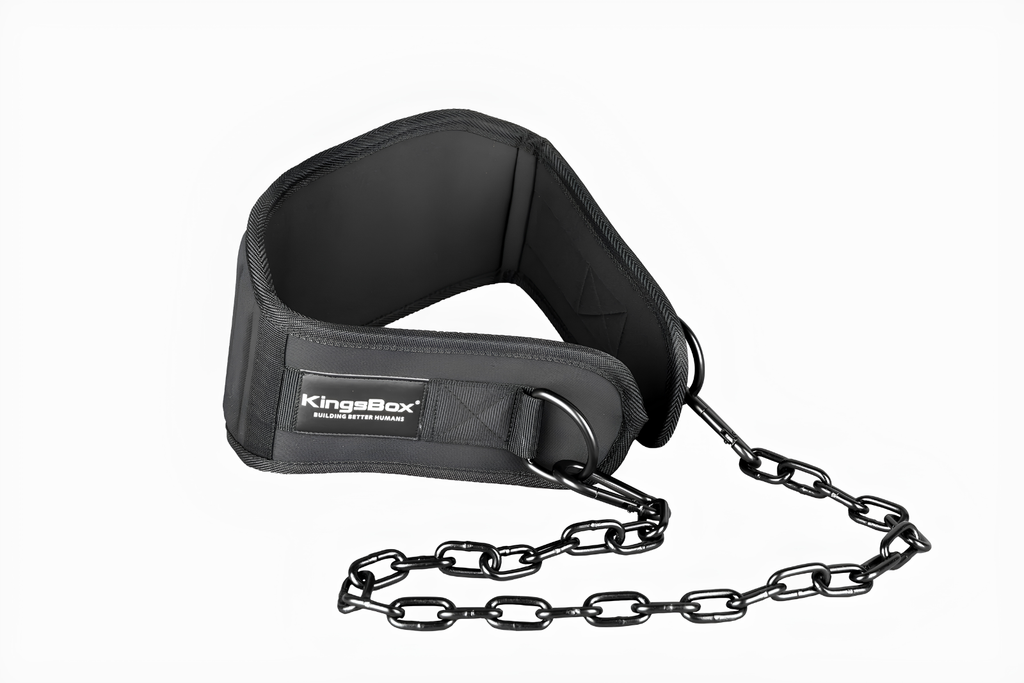
The chain does the real work, so look at it before you look at the padding. Rogue’s belt uses a quarter inch steel chain, 30 inches long, with locking straight gate carabiners. That is a handy yardstick, because many listings quote a weight capacity without showing what actually carries the load.
Treat those capacity numbers with care. One budget belt lists a 36 inch chain and a 350 pound limit, and Gymreapers states 300 pounds. Both are the sellers’ own claims. Most lifters will never get near them, but the useful lesson is to favor a seller that shows its hardware, uses locking gates, and has years of reviews you can read. On any dip belt with chain, the weak points tend to be the clip gates and the stitching where the chain attaches, so inspect both.
Matching a dip belt with chain to your height and plates
Most belts ship with about 30 inches of chain. Rogue and Gymreapers both use 30, Champion’s leather belt uses 24, and the budget model above uses 36. The right length depends on your height and the size of the plate.
On dips the plate hangs between your legs and rarely causes trouble. On pull ups it has to clear the floor at the bottom of the rep, and that is where a mismatch shows up. A 45 pound plate hangs much lower than a 10 pound one, so a chain that works fine with small plates can leave a big one scraping the ground. If your chain is too long, you can loop it through the plate and back to the belt to shorten the drop. If it is too short, only a longer chain will fix it, so taller lifters should check the length before buying.
Bells of Steel takes a different approach, pairing a strap with a 12 inch chain. That suits hanging a kettlebell or dumbbell more than a stack of plates.
Neoprene, nylon or leather
Fitness Volt named the padded neoprene DMoose belt its best overall in May 2026, and it notes neoprene is bulkier than leather. Rogue’s belt has a 3 inch wide nylon body about 30.5 inches long. Champion’s leather belt is 29 inches with a 24 inch chain, has no closure so you simply step into it, and was listed at 93.99 dollars when I checked. Prices change, so confirm before you buy.
Think about where the belt sits and what it presses against. Padding helps if the edge digs into your hip bones while you hang during a pull up, though thick padding can be awkward to cinch on a smaller waist. Leather avoids that but may take a while to feel comfortable. One customer on Rogue’s page says they bought theirs in 2012 or 2013 and still use it in 2026. That is a single review rather than proof, but it shows what well made steel and nylon can survive.
Setting it up and training with it
Product pages rarely cover this part. Start with a weight that lets you complete your usual reps with the same form you use unweighted, then add small amounts over several weeks. There is no universal starting number, and a coach can help if you are unsure.
Setup matters more than people expect. Thread the chain through the center hole of the plate, clip the carabiner back onto a link, and let everything hang still before the first rep. With heavier plates, sit on a bench or box to clip them on and stand up with the weight already attached. On pull ups, keep your knees together and stay controlled so the plate does not swing. On dips, if the front of your shoulder pinches at the bottom, shorten the range of motion instead of forcing depth.
Check the chain, gates and stitching regularly. A bent gate, a stretched link or frayed stitching is a reason to replace the part, not to hope it holds.
Beyond upper body work, Rogue lists the hip belt squat among the uses for its belt. Stand on two boxes so the weight hangs freely between your legs, and you can load your legs without putting a barbell on your back. A weighted vest or a dumbbell held between your feet can also add resistance, but a dip belt with chain generally handles heavier loads and keeps your torso free.
Quick answers
How much weight can I hang from a dip belt with chain?
Sellers list anywhere from 300 pounds (Gymreapers) to 350 pounds on a budget model. Those are manufacturer claims, so buy from a trusted brand and stay well under them.
Is a belt better than a weighted vest?
It depends on the load. A vest is easier for lighter additions, while a belt suits heavier weights and is easy to adjust by changing plates.
Which chain length should I pick?
Thirty inches is the common standard. Go longer if you are tall or use large plates, and consider a strap and short chain setup if you prefer hanging a kettlebell.
Can the same dip belt with chain be used for squats?
Yes, Rogue lists the hip belt squat among its intended uses. Use two boxes so the weight can hang clear.